

 Deutsch
 English
 Español
 Italiano

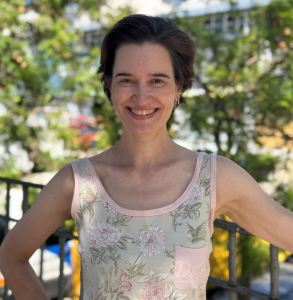 At NATRUE, we continue to highlight the professionals who are shaping a thoughtful and transparent approach to natural beauty. In this interview, we speak with Dominika Chirek — a lawyer, consumer advocate and the founder of the blog Naturalnie Proste, where she helps consumers distinguish genuinely natural cosmetics from products that only appear to be natural through clever marketing. Through consumer education and a strong focus on transparency, she helps people understand cosmetic labels, recognise greenwashing, and make more informed choices. Rather than promoting fear, she believes in the power of knowledge—for both consumers and the environment.
As a member of the Media Jury at the European Natural Beauty Awards 2026, Dominika brings her legal expertise and passion for honest communication to the evaluation of certified natural cosmetics. In this interview, she shares her perspective on transparency, consumer awareness, and building trust in the beauty industry.
NATRUE: You are widely known for your work on INCI analysis and greenwashing. What first sparked your interest in cosmetic ingredients?
Dominika: Many years ago, I struggled with problematic skin and tried many different cosmetics without really understanding their ingredients. When I first learned to read INCI lists, I was shocked by what I found and began learning more about cosmetic ingredients and natural cosmetics. Ironically, I had always believed that plant oils would make my oily, acne-prone skin worse, but instead, they helped restore its balance. That experience showed me just how important it is to understand what we’re putting on our skin.
NATRUE: When you started Naturalnie Proste, what gap in the beauty conversation did you feel was missing and needed to be addressed?
Dominika: When I started Naturalnie Proste, I felt there was a huge need for education, as many people simply didn’t know how to read ingredient lists or understand what they meant. I wanted to explain the difference between natural and conventional cosmetics and make INCI lists easier to understand. I also spoke about ingredients that were still legally allowed but were already raising safety concerns, some of which were later banned.
NATRUE: Your content often challenges marketing claims in the beauty industry. What is the most common misconception you still hear about cosmetic ingredients?
Dominika: Many people believe that reading an INCI list makes no sense because it doesn’t show the exact concentration of each ingredient. While that’s true, the INCI list can still tell us something very important: whether a product is genuinely natural or not.
I also see brands highlighting a single plant-based ingredient, such as organic aloe vera, or using claims like “powered by nature” to make the whole product appear natural. If the rest of the formula contains ingredients that are not accepted in certified natural cosmetics, this can easily become greenwashing.
| “Consumers also play an important role: every purchase is a vote, and choosing certified natural cosmetics encourages brands to become more transparent and invest in genuinely natural formulations.” |
NATRUE: Do you think consumers are becoming more critical and informed, or does misinformation still dominate?
Dominika: I think consumers are becoming more educated and conscious. They want to understand ingredients and no longer believe every promise about perfect skin. European regulations on cosmetic claims have also helped improve the quality of marketing communication.
However, misinformation still exists, with some brands continuing to present their products as more natural than they really are. This is why independent certification and transparency around ingredients remain so important.
NATRUE: From your perspective, what role should regulation play in shaping the future of cosmetics communication, and how should responsibility for transparency be shared between brands and regulators?
Dominika: I believe the European Union already has good regulations oncosmetic products and marketing claims. The real challenge is ensuring that these rules are consistently enforced by national authorities responsible for market surveillance, as some producers still ignore the European guidance on cosmetic claims.
Consumers also play an important role: every purchase is a vote, and choosing certified natural cosmetics encourages brands to become more transparent and invest in genuinely natural formulations. One thing still missing is a legal definition of a natural cosmetic, which could significantly reduce greenwashing, although I don’t expect this to happen anytime soon.
NATRUE: Greenwashing is widely discussed, but often still misunderstood. What are the most common signals consumers should learn to recognise?
Dominika: Claims such as “97% ingredients of natural origin” can be misleading, because the remaining 3% may contain ingredients that are not accepted in certified natural cosmetics. Consumers should also be cautious of green leaves and words such as “eco” or “natural”, as these symbols do not guarantee anything about the formula.
If there is no independent certification, such as the NATRUE Label, it is important to check the ingredient list.
NATRUE: Finally, what is the main message you would like consumers to take away from your work when it comes to understanding and choosing cosmetic products?
Dominika: My biggest goal is to help people become conscious consumers who feel confident understanding what they buy. I’m especially happy when followers tell me they have discovered natural products that work for them or their children. If my work helps someone make a better choice or avoid misleading marketing, that gives me the greatest satisfaction.
For more information about Dominika Chirek, check out her own website and Instagram.