

 Deutsch
 Español
 Français
 Italiano
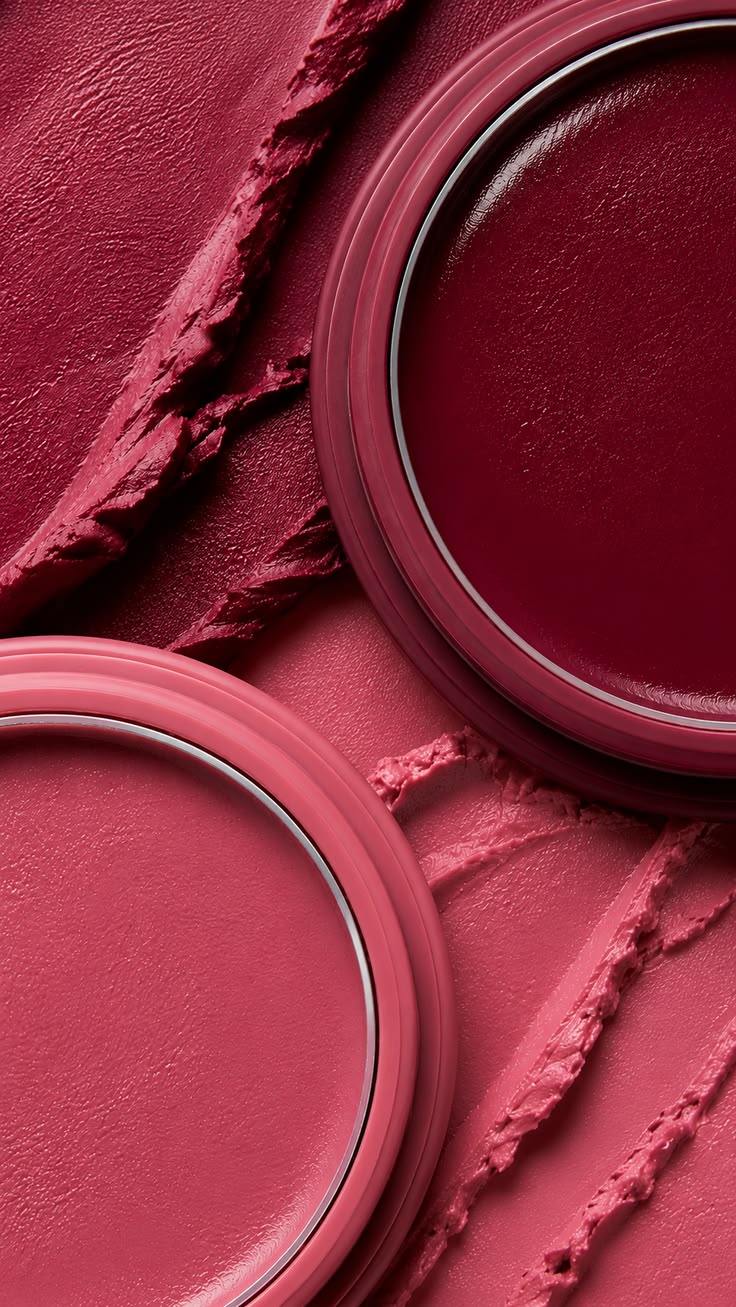
November marks Natural Cosmetics Week, NATRUE’s annual celebration of natural beauty. This year’s campaign puts natural make-up in the spotlight, challenging outdated perceptions and exploring just how far modern natural formulations have come. For years, natural make-up had a reputation for sheer colour, short wear and a limited choice of shades. Today’s formulas tell a different story. So how far can natural make-up really go, and how can you get the best performance from it?
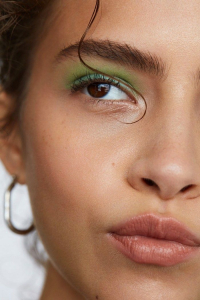 “It doesn’t last.” “It doesn’t cover.” “They never have my shade.” These objections can still come up when natural make-up enters the conversation. Some had more basis in the past, when the category offered a narrower range of products. Since then, formulators have developed new ways to work with mineral pigments, plant oils, waxes, starches, gums and other naturally derived materials. The market has noticed: certified natural make-up is a growing category in the NATRUE database of certified products [1], with well-established, truly natural brands offering convincing alternatives to conventional make-up.
What it’s made of and why it matters
Under the NATRUE Standard, certified natural cosmetics are formulated only with permitted natural, derived natural and nature-identical substances, and the last category is deliberately limited to certain pigments, minerals and preservatives [2]. In make-up, this means working with mineral pigments such as iron oxides and mica, alongside plant oils, butters and waxes. Silicones, petroleum derivatives and synthetic polymers, which give conventional make-up much of its slip and staying power, are left out. Formulators therefore work with the properties of permitted materials, combining them carefully to achieve the desired result.
Colour is no longer an issue. Mineral pigments provide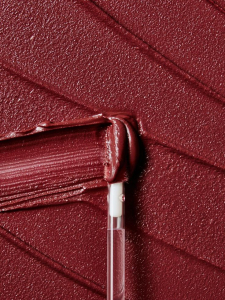 strong, buildable colour across eyeshadows, blushers, bronzers and foundations, and advances in pigment treatment and dispersion have improved application and finish. Foundations and concealers offer buildable coverage, from light and natural-looking to more substantial. Lip products are one of the category’s great successes: plant waxes and oils create lipsticks and balms that combine strong colour with comfort. Perhaps the biggest advantage is how natural make-up feels over a full day: with plant oils and butters in many formulas, make-up becomes an extension of the skincare routine, and many people with sensitive skin find these products more comfortable to wear.
Where natural make-up has its own character
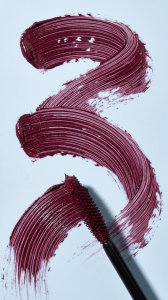 Natural make-up does not have to reproduce every characteristic of conventional make-up to be effective. Long wear, transfer resistance and water resistance often depend on film-forming and volatile ingredients that are not available under natural cosmetics standards, so formulators need different strategies. Mascara is a good example: natural mascaras tend to be water-resistant rather than fully waterproof, yet smudge-proof natural formulas can now stay in place for up to twelve hours. Foundation shade ranges keep expanding too, although matching a broad spectrum of skin tones remains an area for innovation. Performance depends on the individual formula, not simply on whether a product is natural. This is where the art of formulation comes in.
Room for innovation and the rise of hybrid make-up
Bio-based esters and plant-derived emollients can provide the lightweight, silky feel that consumers associate with conventional make-up [3, 4], while natural film-forming materials can improve adhesion and wear. Fermentation is another tool: under the NATRUE Standard, microbiological and enzymatic processes using naturally occurring microorganisms or enzymes are permitted within defined conditions [1], opening the door to more sophisticated natural formulation.
One of the clearest trends is the growing overlap between make-up and skincare. Tinted serums, skin tints, tinted balms and lip oils combine colour with caring ingredients: plant oils and butters provide comfort, plant-based humectants help maintain hydration, and botanical extracts can offer antioxidant properties. Here natural formulations play to their strengths. Instead of simply covering the skin, these products even out the complexion with a lightweight, skin-like feel. For consumers, the appeal is simple: one hybrid product can combine some functions of foundation, moisturiser and primer, making the routine quicker without compromising on the result.
How to make natural make-up last
Performance depends not only on the formula but also on preparation and application.
- Start with well-moisturised skin and give your moisturiser a few minutes to absorb. Too much skincare underneath can make make-up move or pill.
- Build foundation and concealer in thin layers, only where needed. A sponge, brush or fingertips can all work, depending on the texture and finish.
- A light layer of powder reduces shine and helps cream and liquid products stay in place, particularly on the T-zone and under the eyes. A little base product helps eyeshadow adhere evenly.
- Let each coat of mascara set before applying the next. If the eye area tends to become oily, lightly setting it beforehand helps minimise transfer.
- Clean brushes and sponges regularly: product build-up affects both application and hygiene.
Natural make-up is no longer a compromise between values and results. As NATRUE puts it, natural and scientific are not opposites but allies [5]. For everyday needs, it already delivers colour, coverage and comfort. Choose products with a recognised natural certification, match textures to your skin type, and with a smart routine your make-up can last from morning to evening.
 Article written by Viktoria Potko, NATRUE Global Communications and Public Relations Manager.
Originally published in Bio Eco Actual (in Spanish).
References:
[1] NATRUE. NATRUE certified products database (natrue.org).
[2] NATRUE. NATRUE Label criteria: requirements to be met by natural and organic cosmetics (v3.9).
[3] Goussard V., Aubry J.-M., Nardello-Rataj V. (2022). Bio-based alternatives to volatile silicones: relationships between chemical structure, physicochemical properties and functional performances. Advances in Colloid and Interface Science, 304, 102679.
[4] de Castro M. et al. (2025). Exploring bio-based alternatives to cyclopentasiloxane: paving the way to promising silicone substitutes. Colloids and Surfaces A: Physicochemical and Engineering Aspects, 707, 135915.
[5] NATRUE (2025). Natural Cosmetics Week 2025: “Natural Care, Real Impact: Trust What’s Behind the Label”.