

 Deutsch
 Español
 Français
 Italiano

As we welcome 2026, the natural beauty market shows no signs of slowing down. Globally, it reached USD 31.4 billion in 2024 and is on track to hit USD 52.2 billion by 2030[1], growing at an average annual rate of 8.9%. This steady growth reflects a clear shift in consumer habits: natural cosmetics are no longer a niche, but a mainstream choice that combines performance, quality, innovation, ethics, and wellbeing.
In Spain, the story is similar, with the market projected to grow 8.68% annually between 2024 and 2029[2]. From choosing locally made cosmetics and natural ingredients to biotechnology and multi-purpose solutions, sustainability is increasingly shaping consumer choices.
But growth isn’t just about products – it’s about people. Today’s consumers value transparency, trust, and emotional significance in their beauty routines. They want to know what goes into their products, where it comes from, and how it’s made, increasingly seeing natural beauty as part of a holistic approach to health, self-care, and emotional balance.
Understanding today’s natural beauty consumer
The modern natural beauty consumer is informed, conscious, and selective. They seek products that work, align with their values and enhance their wellbeing. Sustainability remains a top priority, alongside transparency, ethical sourcing, and verifiable claims. Consumers are drawn to brands that tell a story, communicate openly about ingredients and production processes, and demonstrate a genuine commitment to responsible, thoughtful beauty.
Emotional wellbeing has also become a central. Skincare is no longer only aesthetic; it is part of a routine that blends health, self-care, and emotional balance. Today’s consumers want high-performance products that also offer lasting value and support not just the skin, but the mind and overall sense of self. In fact, a recent study shows that 46.6% of respondents[3] plan their self-care routines primarily to feel good about themselves, showing that emotional wellness now takes centre stage in beauty choices.
Shifting beauty narratives
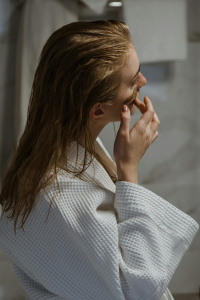 As natural beauty evolves, 2026 will be defined not only by product innovation but by a transformation in how beauty is understood. Four conceptual shifts are leading this change:
- Metabolic Beauty signals a move from external aesthetics to holistic wellbeing. Consumers are no longer focused solely on improving the skin, hair, or nails; they are looking for products that support beauty from within. Personalised solutions that consider metabolism, individual biology, and overall wellbeing are increasingly in demand.
- Sensorial Synergy (or Neuroglow) places the full sensory experience at the centre of skincare. Textures, fragrances, colours, and even sounds all influence how a product makes the user feel. Recent studies show that many consumers now prioritise these sensory aspects even more than the product’s effectiveness.
- Authenticity in beauty reflects a shift away of flawless, filtered images and social media retouching. With 67% of UK social media users believing that retouched posts contribute to body insecurities[4], brands that celebrate individuality, imperfection, and genuine stories are forging deeper emotional connections.
- The rise of locally made, socially conscious cosmetics reflects a broader vision of sustainability. Consumers increasingly want transparency – where ingredients come from, who makes the products, and the social impact of their choices. Supporting local production and shorter supply chains aligns with both environmental and community values.
What brands need to know in 2026
Alongside these conceptual shifts, market trends are shaping the natural beauty landscape:
- Sustainability remains a key driver, with the search of “greener”, low-impact alternatives is becoming increasingly visible. As consumer interest intensifies, natural cosmetics brands must demonstrate verifiable and credible sustainability claims, offering transparent, measurable attributes without compromising the performance consumers expect. This combination of proof and results is essential for building trust and long-term loyalty
- Innovation continues to shape the market. Science-backed skincare, barrier-supportive formulations, and microbiome-focused routines are seeing growing interest. Consumers are looking for products that combine high performance with simplicity, offering targeted solutions alongside low-maintenance routines that fit modern lifestyles.
- Inclusivity is rising. Spate’s Future of Beauty report found that inclusive beauty brands grew 1.5 times faster than less inclusive competitors in 2024, reflecting a clear shift towards diversity and representation in products and marketing.
- Personalisation and proactive wellness are accelerating. AI-driven tools and diagnostic technologies are giving consumers deeper insights into their skin and overall wellbeing, enabling more precise and tailored routines. At recent industry fairs, skin-analysis devices assessing hydration, barrier condition, or specific concerns – and recommending the most suitable treatments – show how quickly personalised beauty is moving from innovation to everyday reality.
In short, 2026 will see natural beauty become more ethical, innovative, inclusive, and personalised, blending performance with purpose and meeting consumer expectations on multiple levels, from sustainability and science to diversity and emotional well-being.

Article written by Paula Gómez de Tejada, NATRUE Global Communications and Public Relations Manager. Originally published on Bio Eco Actual in English.
References:
[1] Research and Markets, 2025
[2] Natursite, 2024.
[3] Perfumerías Laguna, 2025
[4] Mintel, 2025.