


 Deutsch
 Español
 Français
 Italiano
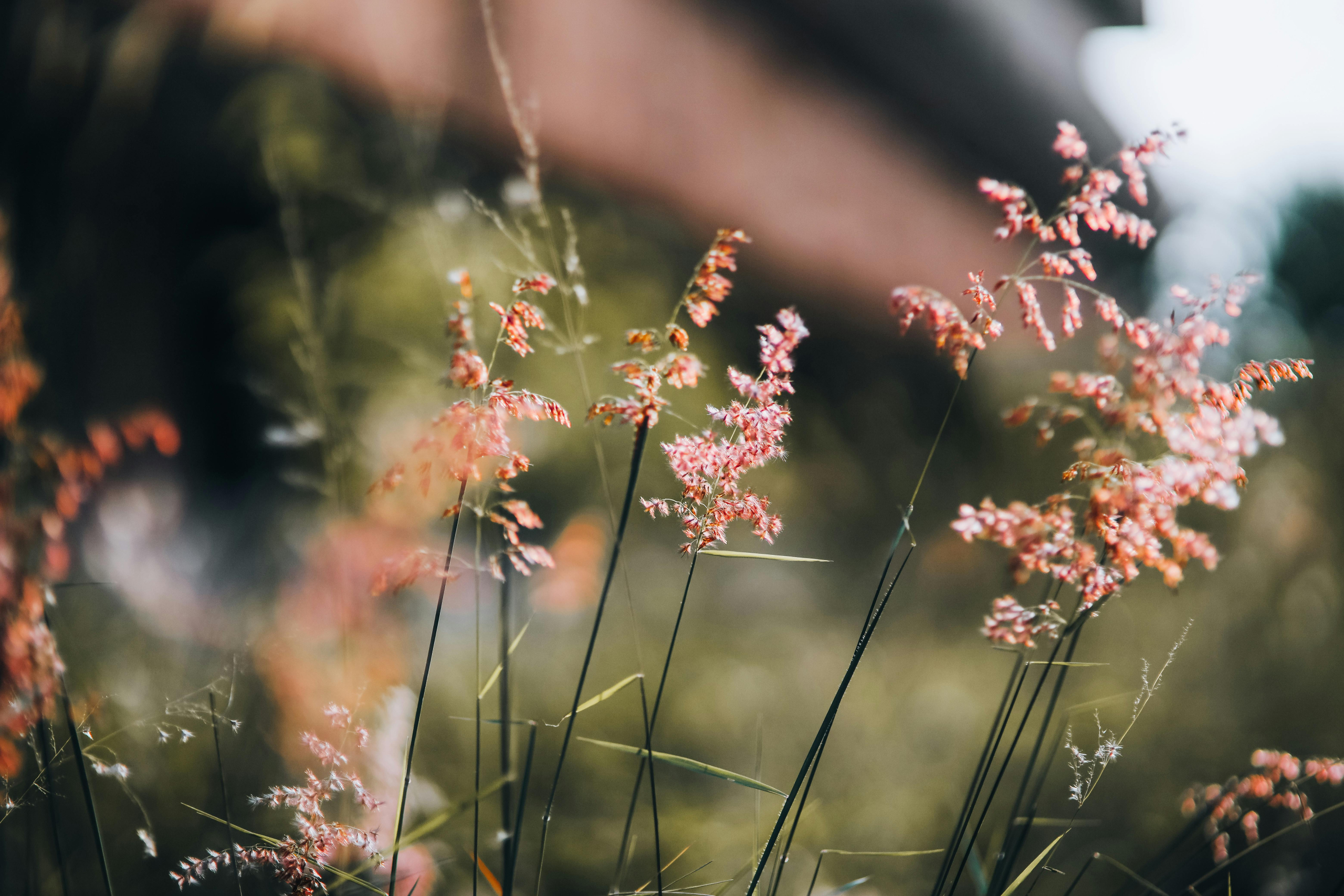
Botanical ingredients are those derived entirely from plants — from their leaves, flowers, roots, seeds, fruits or bark — and are used in cosmetics, food and medicine for their beneficial properties. In skincare, botanical ingredients encompass a wide range of natural raw materials: plant oils (such as jojoba, argan or rosehip), plant extracts (such as green tea, chamomile or calendula), essential oils (such as lavender, eucalyptus or rosemary), and even floral waters (like rose water).
The richness of plants lies in their ability to synthesise bioactive compounds that allow them to protect, regenerate and adapt to their environment. This same natural intelligence is what cosmetics harness through botanical extracts, which concentrate active molecules with antioxidant, soothing, hydrating and revitalising properties. For instance, polyphenols and especially flavonoids have recently gained attention for their powerful antioxidant and anti-inflammatory properties.
In fact, it is no coincidence that, according to a 2018 analysis, 73.8% of anti-ageing formulations[1] included botanical preparations. Science continues to confirm what traditional wisdom long understood: plants offer effective and respectful solutions to the skin’s needs.
Within this context, contemporary natural cosmetics combine ancestral botanical knowledge with scientific innovation to create formulations that are effective, safe and sustainable. Throughout the year, the skin faces different changes and challenges — cold, heat, dryness or sun exposure — and botanical ingredients become essential allies in maintaining its balance and wellbeing in every season.
Winter: Protection and Comfort
Cold weather, wind and sudden temperature changes reduce sebum production and lower ambient humidity, diminishing the skin’s ability to retain moisture. That’s why winter skincare formulas should provide deep hydration and protection against dehydration. Ingredients such as sweet almond oil (which softens and reinforces the skin barrier), shea butter (highly nourishing) and virgin olive oil (rich in natural antioxidants) are particularly effective thanks to their high content of natural lipids.
For lips and hands, areas especially prone to dryness, balms made with natural waxes (such as beeswax, candelilla or carnauba) create a protective film that prevents moisture loss without clogging the skin.
 Spring: Renewal and Radiance
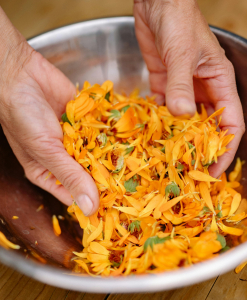
Spring is the season of regeneration. After the cold months, the skin may feel dry, dull or lacking vitality. It’s the perfect time to stimulate cell renewal and prepare the complexion for greater sun exposure. Ingredients such as Damask rose extract (which tones, softens and enhances radiance), witch hazel (which helps balance excess sebum) and calendula (known for its soothing properties) help restore softness and equilibrium to the skin.
Light plant oils, such as grape seed or jojoba, provide nourishment without heaviness, while citrus extracts (lemon, orange, grapefruit) act as natural toners, delivering freshness and vitality. In addition, floral waters or hydrolats become a delightful sensory step to tone and boost skin hydration.
Summer: Protection and Balance
In summer, the skin is exposed to higher levels of UV radiation, heat and transepidermal water loss. Botanical ingredients help maintain its natural balance and strengthen its defences. Aloe vera gel stands out for its soothing and hydrating action, while sesame oil, rich in natural antioxidants such as vitamin E, helps protect against oxidative stress.
Seaweed and green tea extracts provide polyphenols and minerals that neutralise free radicals, while carrot oil and shea butter support a glowing tan and repair the skin after sun exposure. For hair care, rosemary and sage revitalise the scalp and help maintain the hair’s natural shine.
 Autumn: Repair and Nourishment
With the arrival of autumn, the skin seeks to recover its balance after the intense summer months of sun and heat. It’s the perfect time for restorative and nourishing ingredients that bring comfort and protection. Plant oils rich in essential fatty acids — such as argan, rosehip or avocado oil — promote skin regeneration and improve elasticity.
Plant butters (shea, cocoa, mango) help reinforce the skin barrier, while oat or mallow extracts soothe sensitised skin. It’s also a good time to introduce products containing lavender or chamomile hydrolats, which help balance the skin’s natural pH and boost comfort, preparing it for richer, nourishing winter treatments.
The Value of Authenticity: Transparency and Certification
The rise of natural and organic cosmetics has increased interest in plant-based ingredients — but it has also led to consumer confusion due to the indiscriminate use of terms such as “botanical”, “natural” or “eco”. To ensure authenticity and transparency, certification labels play a vital role.
In this regard, the NATRUE label has established itself as an international benchmark for distinguishing truly natural and organic products. NATRUE’s criteria prohibit the use of petrochemical derivatives, silicones, microplastics and synthetic fragrances, require the use of raw materials of natural origin obtained through environmentally friendly processes, allowing only a limited list of nature-identical pigments and preservatives.
In this way, consumers can trust that every certified product is backed by a formulation grounded in botanical science, quality, and respect for biodiversity.
Science and Nature: An Alliance for the Future
Innovation in natural cosmetics increasingly draws on phytochemical research — the study of the chemical compounds of plants, including their isolation, purification, and the characterisation of their biological activity. New extraction techniques make it possible to obtain purer and more sustainable active ingredients, maximising their efficacy. At the same time, the industry embraces a circular and responsible approach, making use of agricultural by-products — such as fruit peels or seeds — to give them a second life in cosmetics.
The future of natural beauty lies in reconnecting with nature without renouncing science. Botanical ingredients are not just a trend; they represent a coherent response to the needs of the skin, our wellbeing, and the planet. Through their responsible use, we can care for ourselves and for the environment that cares for us.
References:
[1] https://pmc.ncbi.nlm.nih.gov/articles/PMC8230945/?utm_source=chatgpt.com

Article written by Paula Gómez de Tejada, NATRUE Global Communications and Public Relations Manager. Originally published on Bio Eco Actual in Catalan, English, and Spanish.